
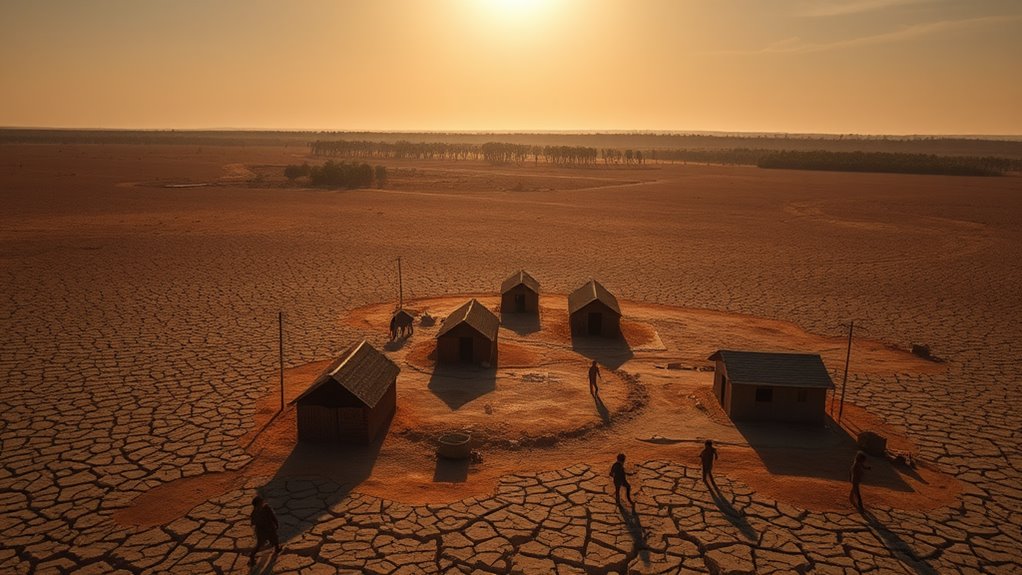
The impact of climate change on global communities is increasingly severe, affecting ecosystems, economies, and social dynamics. Rising temperatures and extreme weather events contribute to food insecurity and water scarcity, considerably disrupting agricultural practices. Vulnerable populations, including Indigenous communities, face greater risks because of displacement and loss of traditional lands. Economic instability arises from job losses linked to climate conditions, compelling migration and increasing competition for resources. Effective mitigation and adaptation solutions are essential in addressing these challenges. Exploring these complex interactions can reveal more about the path forward for resilient communities amid these pressing global changes.
Understanding Climate Change
Climate change refers to significant and lasting changes in the Earth's climate, primarily driven by human activities such as the burning of fossil fuels, deforestation, and industrial processes. The increase in greenhouse gases, particularly carbon dioxide and methane, has led to global warming, disrupting ecosystem balance and threatening biodiversity loss. Climate science plays an essential role in comprehending these changes and informing effective climate policy.
As communities grapple with the consequences of climate change, the concept of climate justice emerges, highlighting the disproportionate impact on vulnerable populations. It is crucial to recognize that those least responsible for greenhouse gas emissions often bear the brunt of climate-related disasters. Addressing these disparities is vital in promoting a just and equitable response to climate challenges.
Environmental education serves as a foundation for raising awareness and empowering individuals to reduce their carbon footprint. By promoting sustainable practices and advocating for climate action, communities can work collectively to mitigate the effects of climate change. Encouraging local initiatives and supporting global efforts can create a ripple effect, inspiring others to take responsibility for their environmental impact.
The integration of climate science into public discourse is vital for shaping effective climate policy. Policymakers must prioritize strategies that address both mitigation and adaptation, ensuring that communities are resilient in the face of ongoing climate challenges. Ultimately, a thorough understanding of climate change is critical for encouraging informed decision-making and promoting sustainable practices across all sectors of society.
Rising Sea Levels
One of the most pressing consequences of climate change is the alarming rise in sea levels, which poses significant threats to coastal communities worldwide. This phenomenon is primarily driven by the melting of polar ice caps and the thermal expansion of seawater. The implications are profound and multifaceted, impacting not merely the environment but likewise the socio-economic fabric of affected regions.
Key consequences of rising sea levels include:
- Coastal Erosion: Increased flooding and storm surges accelerate the erosion of coastlines, leading to loss of land and infrastructure.
- Saltwater Intrusion: As sea levels rise, saltwater contaminates freshwater sources, affecting agriculture and drinking water supplies.
- Community Displacement: Rising waters force populations to relocate, leading to cultural heritage loss and significant social challenges.
- Economic Implications: The costs of adapting infrastructure and implementing conservation strategies can strain local economies, particularly in developing nations.
These challenges not only threaten the physical environment but likewise disrupt ecosystems, leading to habitat loss for many species. The integration of adaptation technologies, such as improved drainage systems and the restoration of natural barriers, can mitigate some effects. Nevertheless, proactive conservation strategies must be prioritized to preserve vulnerable environments and support the communities that depend on them. Addressing these issues is crucial for ensuring the resilience of coastal communities in the face of ongoing climate change.
Extreme Weather Events
The increasing frequency and intensity of extreme weather events signify a significant challenge for communities around the globe. These events, including severe storms, prolonged heatwaves, and unprecedented flooding, have become more pronounced as a result of climate change. As a result, communities must improve their preparedness and resilience to mitigate the adverse effects associated with these phenomena.
Heatwaves, for instance, pose substantial health risks, particularly for vulnerable populations such as the elderly and those with pre-existing health conditions. Effective heatwaves preparedness strategies, including public awareness campaigns and the establishment of cooling centers, are vital to protect community members during extreme temperature spikes. Moreover, urban planning must incorporate green spaces and reflective materials to help reduce urban heat islands, thereby lowering overall community temperatures.
Similarly, storm resilience is fundamental in an era of increasingly severe weather patterns. Communities must invest in robust infrastructure, such as levees and drainage systems, to withstand intense rainfall and prevent flooding. In addition, adopting early warning systems can facilitate timely evacuations and improve emergency response efforts, ultimately saving lives and minimizing property damage.
Food Security Challenges
Climate change poses significant food security challenges, primarily through the decline in crop yields and increasing water scarcity. As temperatures rise and weather patterns shift, agricultural productivity is threatened, leading to reduced availability of vital food resources. Furthermore, the depletion of water sources exacerbates these issues, making it increasingly difficult for communities to sustain their agricultural practices.
Crop Yield Decline
Amid rising global temperatures and shifting weather patterns, crop yield decline poses a significant threat to food security. This phenomenon is exacerbated by various factors that disrupt agricultural productivity, making it vital to address the challenges head-on. The following points illustrate the complexity of this issue:
- Pest Resistance: Changing climates can lead to increased pest populations, reducing crop yields and necessitating the development of more resilient varieties.
- Soil Degradation: Intensive farming practices lead to nutrient depletion and soil erosion, compromising the land's productivity.
- Climate Resilience: Implementing agroecological approaches and sustainable practices is fundamental to enhancing the resilience of farming systems against seasonal variability.
- Agricultural Technology: Advances in genetic modification and precision nutrient management can help create crop varieties that withstand climate-related stresses.
To combat crop yield decline, strategies such as crop diversification and the integration of agricultural technology must be prioritized. By nurturing climate resilience, we can secure a stable food supply for future generations, ensuring that agricultural systems adapt to the challenges posed by climate change.
#
Water Scarcity Issues
Water scarcity is emerging as a pressing challenge that exacerbates food security issues, particularly in regions already grappling with agricultural stressors like crop yield decline. As climate change intensifies, effective water management becomes crucial. Implementing water conservation techniques can markedly reduce demand and preserve existing supplies. Aquifer management strategies are fundamental for maintaining groundwater levels, whereas community water initiatives promote local engagement in sustainable practices.
Advancements in desalination technology offer promising solutions for arid regions, enabling access to previously unusable seawater. Furthermore, rainwater harvesting methods can capture and utilize precipitation, providing an alternative source of water for agricultural needs. Sustainable irrigation practices, such as drip irrigation, minimize waste and improve efficiency.
To combat the impacts of drought, thorough drought preparedness plans must be developed, integrating water quality monitoring and watershed protection efforts. Groundwater recharge projects can help restore aquifers, ensuring long-term water availability. By addressing water scarcity through these multi-faceted approaches, communities can strengthen food security and resilience against climate-related disruptions. Sustainable water management is not just a necessity; it is a crucial component of ensuring food security in an increasingly unpredictable climate environment.
## Water Scarcity Issues
As communities grapple with the repercussions of climate change, water scarcity issues have come to the forefront of environmental concerns. The increasing frequency of droughts, rising temperatures, and erratic precipitation patterns have exacerbated existing water challenges, necessitating urgent action and strategic planning.
Key factors driving water scarcity include:
- Urban Water Challenges: Rapid urbanization strains water supply systems, highlighting the need for sustainable management.
- Transboundary Water Conflicts: Shared water resources can lead to disputes, emphasizing the importance of equitable water distribution.
- Groundwater Management Strategies: Overexploitation of aquifers raises concerns about long-term availability, necessitating effective monitoring and management.
- Innovative Irrigation Methods: Traditional agricultural practices may not suffice in the face of dwindling water resources, prompting the need for modern irrigation solutions.
Addressing water scarcity requires thorough approaches that incorporate water conservation techniques and community awareness initiatives. Climate resilience education is fundamental to empower communities to adapt to changing conditions. Effective drought response plans must be developed to mitigate the impacts of water shortages on both urban and rural populations.
Furthermore, integrating climate adaptation policies with traditional water practices can improve resource management. Water quality monitoring is critical to guarantee that available supplies meet health standards. In the end, promoting collaboration among stakeholders will be significant in developing sustainable solutions that balance water needs with environmental integrity, supporting resilience against an uncertain climate future.
Health Risks and Vulnerabilities
Addressing health risks and vulnerabilities linked to climate change is crucial for safeguarding community well-being. As climate change progresses, it exacerbates existing health challenges and introduces new risks that disproportionately affect vulnerable populations. Changes in temperature and weather patterns can lead to the spread of infectious diseases, respiratory issues from increased air pollution, and heat-related illnesses. These health threats underscore the urgent need for effective public health strategies.
Additionally, climate-related disasters such as floods and wildfires can disrupt healthcare access, leaving communities without critical medical services during critical times. Individuals in remote or underserved areas are particularly at risk, as they may face additional barriers in accessing necessary healthcare resources, including preventive and emergency care.
Moreover, the mental health impacts of climate change cannot be overlooked. The stress and trauma associated with extreme weather events, displacement, and loss can lead to increased anxiety, depression, and other mental health disorders. Communities must recognize these psychological burdens and develop appropriate support systems to address them.
Economic Instability
Economic instability arising from climate change manifests through disrupted agricultural production, leading to food scarcity and rising prices. This disruption can trigger job losses, prompting migration as individuals seek more stable employment opportunities. Additionally, increased resource scarcity exacerbates competition for necessities, intensifying economic challenges for affected communities.
Disrupted Agricultural Production
Climate change has thrown agricultural production into disarray, leading to significant economic instability for communities reliant on farming. As unpredictable weather patterns and shifting climates disrupt traditional farming practices, farmers face mounting challenges that threaten their livelihoods.
Key factors contributing to this disruption include:
- Crop diversification strategies that mitigate risks associated with monoculture.
- Sustainable pest management techniques that reduce reliance on harmful chemicals.
- Agroforestry benefits that improve biodiversity and soil health improvement.
- Climate resilient varieties that withstand extreme weather events.
To adapt to these changes, the implementation of precision agriculture technologies is essential for optimizing resource use and improving yields. Furthermore, farmer education programs can empower agricultural workers with knowledge about regenerative farming practices and community-supported agriculture, promoting local resilience. Increasing climate data accessibility enables farmers to make informed decisions.
As communities navigate these turbulent waters, the need for innovative solutions and support systems becomes imperative to guarantee sustainable agricultural production and economic stability in the face of climate change.
Job Loss and Migration
The disruption of agricultural production as a result of climate change has far-reaching consequences, particularly contributing to job loss and increased migration within affected communities. As traditional farming practices become unsustainable, many individuals face forced job shifts, leading to significant economic instability. Communities must engage in economic adaptation strategies to mitigate the impact of these changes.
Workforce retraining programs are crucial in equipping displaced workers with the skills needed to access new employment opportunities. Nevertheless, the lack of robust support systems can exacerbate the difficulties faced by these populations, often resulting in migration patterns that create climate refugees. As people relocate in search of better prospects, the challenge of community integration arises, risking social cohesion in both origin and destination areas.
Policy implications are critical as governments must recognize the need for thorough strategies that address both job loss and migration. Investing in sustainable practices, enhancing support systems, and promoting social cohesion can help communities adapt to the changing environment. Ultimately, proactive measures are crucial to guarantee that those affected by climate change do not face further marginalization in an increasingly uncertain economic environment.
Increased Resource Scarcity
How does increased resource scarcity contribute to economic instability within communities? The depletion of critical resources can severely disrupt local economies, leading to heightened tensions and diminished quality of life.
- Resource Allocation Challenges: Limited resources necessitate difficult decisions regarding their distribution, resulting in potential inequities.
- Impact on Livelihoods: Communities reliant on natural resources for employment face economic decline as availability wanes.
- Increased Competition: Scarcity fuels competition, often leading to conflicts that destabilize community relationships.
- Strain on Local Initiatives: Efforts in ecological restoration and conservation strategies may become underfunded, hampering sustainability efforts.
To mitigate these challenges, effective resource management must be prioritized. Implementing sustainable practices and nurturing local partnerships can promote equitable distribution of resources. Community initiatives that emphasize education programs on demand forecasting and technology innovation can improve resilience. By adopting a circular economy model, communities can create alternative solutions that maximize the use of renewable resources during the preservation of biodiversity. In the end, robust environmental stewardship is vital for ensuring that resource scarcity does not lead to long-term economic instability in vulnerable communities.
Displacement and Migration
As rising global temperatures and extreme weather events increasingly threaten livelihoods, communities around the world face the harsh reality of displacement and migration. The phenomenon of climate change is not merely an environmental issue; it is a pressing social and humanitarian crisis. Many individuals are being forced to leave their homes because of the impacts of climate change, resulting in the emergence of a new category of displaced persons known as climate refugees. These individuals are compelled to relocate as their land becomes uninhabitable, whether because of rising sea levels, prolonged droughts, or devastating storms.
The forced relocation of communities is often abrupt and chaotic, leaving individuals and families vulnerable and without adequate support. In many regions, the lack of infrastructure and resources to accommodate an influx of climate refugees exacerbates existing social tensions and economic strains. Additionally, the legal frameworks to protect these individuals are often inadequate, as current international laws do not recognize climate refugees as a distinct category requiring protection.
The ramifications of such displacement can be profound, affecting not just the migrants but also the communities that receive them. Strain on local resources, housing, and job markets can lead to heightened conflict and instability. As the impacts of climate change continue to escalate, it is crucial for policymakers, humanitarian organizations, and communities to work collaboratively to address the challenges of displacement and migration, nurturing resilience and sustainability for all affected populations.
Impact on Indigenous Communities
Amid the escalating effects of climate change, Indigenous communities are particularly vulnerable owing to their close relationship with the land and natural resources. The impacts of climate change threaten not merely their physical environment but likewise their cultural heritage and social structures.
Key factors influencing this vulnerability include:
- Loss of land and resources, undermining traditional practices.
- Erosion of cultural identity through disrupted intergenerational knowledge transmission.
- Increased health risks as a result of environmental degradation.
- Marginalization in climate policy discussions affecting their rights.
The intersection of climate change and Indigenous rights emphasizes the necessity for resilience strategies that honor their traditional knowledge and practices. Cultural preservation is crucial, as these communities often serve as stewards of biodiversity, showcasing effective environmental stewardship. In addition, community empowerment is vital; Indigenous voices must be integrated into decision-making processes to guarantee self-determination and social justice.
The intergenerational impact of climate change on Indigenous populations is profound, as younger generations face an uncertain future devoid of their ancestral connections. Advocating for land rights is vital to safeguard their heritage and promote sustainable practices that align with their worldview. By recognizing the unique challenges faced by Indigenous communities, we can cultivate collaborative efforts that not only address climate change but also celebrate and uphold Indigenous rights, guaranteeing a more equitable and just future for all.
Urban Versus Rural Effects
Climate change manifests distinctly across urban and rural settings, creating varied challenges and responses in these environments. In urban areas, the strain on urban infrastructure is pronounced, with rising temperatures exacerbating heat islands and overwhelming transportation systems. These challenges are compounded by health disparities, as vulnerable populations often reside in areas with poor air quality and limited access to healthcare. Addressing these issues requires robust community engagement and sustainable resource management to guarantee environmental justice and equitable access to services.
Conversely, rural communities face unique obstacles that necessitate rural adaptation strategies. These include increased frequency of extreme weather events, which threaten agricultural productivity and the cultural heritage that supports these communities. Livelihood diversification becomes fundamental, as reliance on single-crop farming can lead to economic instability. Rural residents often encounter transportation challenges that limit their access to markets and important services, further exacerbating their vulnerability to climate change.
Moreover, social cohesion plays a significant role in how both urban and rural communities respond to climate change. Urban areas may experience fragmentation, leading to disparate responses to climate initiatives, while rural communities often rely on close-knit networks to mobilize resources and share knowledge. Ultimately, comprehending the distinct effects of climate change on urban and rural settings is essential for developing targeted strategies that improve resilience, promote social equity, and nurture sustainable development in diverse environments.
Mitigation and Adaptation Strategies
Effective mitigation and adaptation strategies are crucial in addressing the challenges posed by climate change. Key approaches include the adoption of renewable energy sources, the implementation of sustainable agriculture practices, and the improvement of community resilience. By integrating these strategies, communities can better prepare for and respond to the impacts of climate change as they promote long-term sustainability.
Renewable Energy Adoption
As communities grapple with the escalating impacts of climate change, the adoption of renewable energy sources emerges as a critical strategy for both mitigation and adaptation. Shifting to renewable energy not merely curbs greenhouse gas emissions but likewise improves community resilience against climate-related disruptions. Key initiatives include:
- Solar Technology: Broadening community solar projects can provide accessible energy solutions during promoting energy efficiency.
- Wind Energy: Increasing investment in wind energy systems supports local economies and generates green jobs.
- Energy Storage: Developing advanced energy storage solutions enables better integration of renewables into the grid, ensuring a reliable energy supply.
- Electric Vehicles: Promoting sustainable transportation options, such as electric vehicles, can greatly reduce carbon footprints.
Moreover, grid modernization and policy incentives play a vital role in facilitating this shift. By embracing these renewable energy strategies, communities can not only mitigate the effects of climate change but likewise adapt to its realities, nurturing a sustainable future. In the end, a concerted effort to implement these strategies will lead to healthier environments and stronger economies, empowering communities to thrive in the face of climate challenges.
Sustainable Agriculture Practices
Sustainable agriculture practices represent a vital approach for communities seeking to mitigate the effects of climate change as they improve their resilience. By employing organic farming methods and agroecological techniques, farmers can enhance soil health and promote biodiversity conservation. Implementing permaculture principles nurtures sustainable local food systems, as crop rotation and regenerative practices guarantee long-term soil fertility.
The integration of sustainable livestock management and climate-smart agriculture contributes to environmental stewardship, reducing greenhouse gas emissions and boosting productivity. Agroforestry benefits, such as increased carbon sequestration and improved water retention, further support sustainable irrigation practices. Community Supported Agriculture (CSA) initiatives engage local populations, promoting farmer education and reinforcing regional food networks.
| Sustainable Practices | Benefits |
|---|---|
| Organic Farming | Improves soil health |
| Crop Rotation | Reduces pests and diseases |
| Agroecological Techniques | Increases biodiversity |
| Regenerative Practices | Restores ecosystems |
| Community Supported Agriculture | Strengthens local economies |
Incorporating these strategies into agricultural systems is vital for cultivating resilience against climate change as well as promoting sustainable livelihoods and environmental health.
Community Resilience Building
A robust framework for community resilience building encompasses both mitigation and adaptation strategies vital for addressing the multifaceted impacts of climate change. Effective resilience initiatives depend on the active participation of community members and local partnerships, nurturing a sense of ownership and collaboration.
Key strategies include:
- Disaster Preparedness: Developing plans that equip communities to respond effectively to climate-related emergencies.
- Infrastructure Development: Investing in resilient infrastructure to withstand extreme weather events, ensuring accessibility and safety.
- Training Programs: Implementing educational initiatives focused on resource management and knowledge sharing among community members.
- Economic Diversification: Encouraging varied economic activities to reduce vulnerability to climate impacts.
Furthermore, integrating mental health support and cultural preservation into resilience efforts is fundamental for holistic community well-being. Engaging diverse stakeholders not just improves resource management but additionally strengthens social cohesion. By prioritizing these strategies, communities can cultivate resilience, ensuring they are better equipped to face the challenges posed by climate change during the promotion of sustainable development and improving overall quality of life.
The Role of Policy and Governance
Addressing the multifaceted challenges of climate change necessitates robust policy and governance frameworks that prioritize community resilience and adaptation. Effective climate policy must be built upon a foundation of intergovernmental cooperation, guaranteeing that local initiatives align with international agreements aimed at mitigating climate impacts. This alignment cultivates a cohesive approach that enables communities to implement adaptive policies customized to their unique circumstances.
Governance frameworks play an important role in establishing regulatory measures that guide community actions and behavior toward climate resilience. Policy enforcement is fundamental to guarantee compliance and facilitate the successful implementation of these measures. In addition, the engagement of diverse stakeholders—including government entities, civil society organizations, and the private sector—is critical for creating inclusive policies that reflect the needs and perspectives of affected communities.
Climate justice must be a guiding principle in policy development, as vulnerable populations often bear the brunt of climate change effects. Policymakers must prioritize equity in resource allocation and support systems, enabling marginalized communities to build resilience against climate impacts. This necessitates the incorporation of adaptive policies that evolve in response to changing environmental conditions and community needs.
Frequently Asked Questions
How Does Climate Change Affect Mental Health in Communities?
Climate change markedly affects mental health in communities, contributing to climate anxiety and heightened stress levels. The disruption of familiar environments can lead to social isolation, diminishing emotional resilience. Individuals may struggle to engage in adaptive coping strategies, impacting their overall mental wellness. Community support becomes vital in nurturing connections and providing resources to mitigate these challenges. Addressing the mental health implications of climate change is imperative for enhancing community well-being and resilience.
What Role Does Education Play in Climate Change Awareness?
"Knowledge is influence," and in the context of climate change, education plays a crucial role in promoting climate literacy. By integrating an environmental curriculum into educational systems, we enable individuals to understand the intricacies of climate issues. This awareness not merely cultivates informed citizens but additionally inspires proactive engagement in sustainability efforts. In the end, education serves as an essential tool in equipping future generations with the knowledge necessary to address and mitigate climate challenges effectively.
How Can Individuals Contribute to Climate Change Mitigation Efforts?
Individuals can considerably contribute to climate change mitigation efforts by adopting practices that reduce their carbon footprint. This includes utilizing renewable energy sources, such as solar or wind energy, for daily energy needs. Furthermore, individuals can support sustainable transportation options, reduce waste, and promote energy efficiency in their homes. Engaging in community initiatives and advocating for policies that prioritize environmental sustainability further improves collective efforts toward a more sustainable future. Every action counts in combating climate change.
What Are the Cultural Impacts of Climate Change on Local Communities?
Climate change greatly affects the cultural environment of local communities by threatening cultural heritage and traditional practices. As environmental shifts occur, local narratives may evolve or diminish, impacting the identity and continuity of cultural expressions. Communities often face challenges in maintaining resilience, as the loss of traditional knowledge can hinder adaptive strategies. As a result, preserving cultural heritage becomes crucial not just for identity but also for nurturing community resilience amidst changing environmental conditions.
How Is Climate Change Influencing Community Engagement and Activism?
Climate change is greatly influencing community engagement and activism, with a notable 75% of young people expressing a desire to take action against environmental issues. This heightened awareness has spurred collective action and the rise of grassroots movements, empowering individuals to advocate for sustainable practices. Communities are increasingly organizing events, campaigns, and educational initiatives, nurturing collaboration and resilience. Such engagement not only addresses climate challenges but furthermore strengthens social bonds and local identity.
