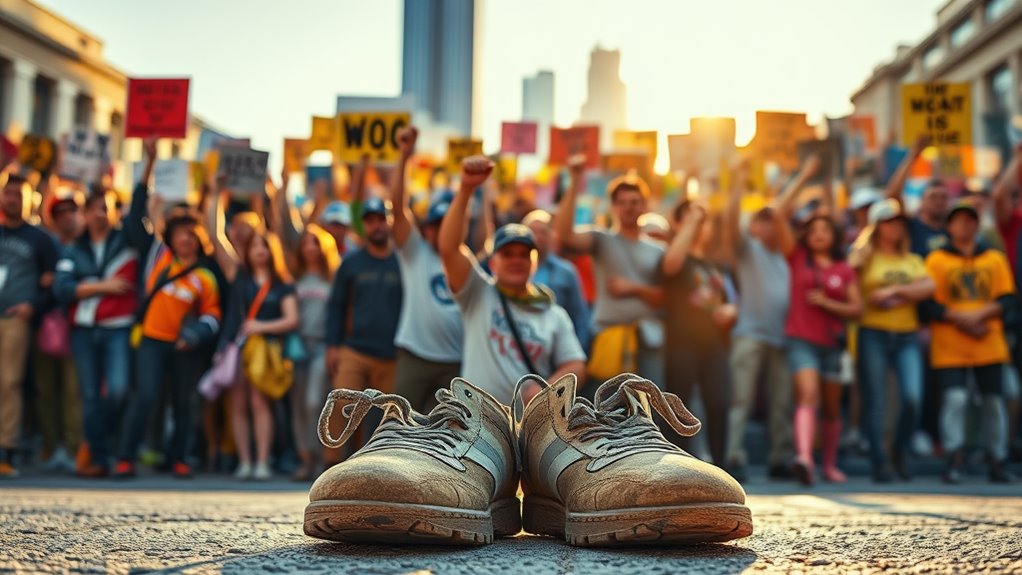
Recent labor strikes across the U.S. reflect growing worker dissatisfaction with wages, working conditions, and job security. As inflation rises and living costs strain budgets, workers are demanding equitable pay, flexible schedules, and improved health benefits. Key industries like healthcare, transportation, and education are seeing significant disruptions, highlighting the urgency of these issues. The increasing solidarity among workers, fueled by union support, is amplifying their voices in negotiations. This movement is likely to spur legislative changes aimed at enhancing worker protections and rights, shaping the future environment of employment. Exploring further reveals the broader implications of these shifts.
Overview of Recent Strikes
As labor disputes have intensified across various sectors, recent strikes have emerged as a significant response to ongoing challenges faced by workers nationwide. The strikes timeline reveals a growing trend of organized labor actions, reflecting discontent with wages, working conditions, and job security. These labor movements have not merely gained momentum in the wake of economic pressures but have additionally been influenced by historical context, drawing parallels to past labor struggles that have shaped workers' rights in the United States.
Recent strikes have highlighted key issues such as inflation, stagnant wages, and the demand for better work-life balance. Workers from various industries, including education, healthcare, and transportation, have taken to the streets, calling for fair compensation and improved labor practices. The collective bargaining influence that these strikes represent underscores a renewed commitment among workers to advocate for their rights, reminiscent of pivotal labor actions from the late 19th and early 20th centuries.
The historical context of these strikes cannot be overlooked, as they echo the battles fought by earlier generations of labor activists who sought to establish fundamental rights and protections in the workplace. This current wave of labor actions serves as a reminder that the struggle for equitable treatment and fair labor conditions is ongoing. As the nation observes these developments, it is imperative to understand the implications of these strikes not merely for the present workforce but additionally for future generations seeking to uphold the legacy of labor rights.
Key Industries Affected
The current wave of labor strikes is not limited to a single sector; rather, it encompasses a diverse range of industries greatly impacted by workers' grievances. From healthcare to technology, various sectors are experiencing significant disruptions as employees demand better working conditions, fair wages, and job security. This collective action highlights the growing dissatisfaction among workers across the nation.
| Industry | Key Issues | Impact |
|---|---|---|
| Healthcare Industry | Staffing shortages, burnout | Patient care delays |
| Transportation Sector | Long hours, low wages | Supply chain disruptions |
| Manufacturing Jobs | Automation fears, safety risks | Production slowdowns |
In the healthcare industry, workers are advocating for improved staffing levels to alleviate burnout and improve patient care. The transportation sector is facing strikes as employees demand better compensation and work-life balance, which has led to significant supply chain disruptions. At the same time, manufacturing jobs are threatened by automation fears and safety concerns, causing production slowdowns.
Furthermore, the education system is grappling with demands for better resources and pay, as the technology workforce seeks equitable compensation amid rapid industry changes. The hospitality sector and retail businesses are witnessing strike actions, with employees pushing for fair wages and improved working conditions. In construction trades, labor disputes address safety standards and job security, whereas agricultural labor is increasingly vocal about their rights and compensation.
Workers' Demands and Expectations
Across the nation, workers are articulating a range of demands that reflect their frustrations and hopes for the future. Central to these demands is the call for worker empowerment, which emphasizes the importance of giving employees a stronger voice in workplace decisions. This movement seeks to cultivate an environment where workers can participate actively in shaping policies that affect their lives, leading to a more engaged and satisfied workforce.
Equitable pay remains a cornerstone of workers' expectations. Many employees are advocating for wage increases that not just keep pace with inflation but also address longstanding disparities in compensation across different demographics and industries. Workers are increasingly aware of the wealth gap and are demanding fair remuneration that acknowledges their contributions and the rising cost of living.
Moreover, workers are calling for improved working conditions, including better health benefits, flexible schedules, and job security. These elements are integral to creating a sustainable work-life balance, which has become a priority in the wake of the COVID-19 pandemic. The demand for equitable pay is often accompanied by a desire for transparency in pay structures, ensuring that all employees are compensated fairly for their skills and efforts.
Impact on Labor Relations
Growing demands for worker empowerment, equitable pay, and improved working conditions are reshaping labor relations throughout the country. Recent labor strikes have highlighted the urgent need for change, prompting discussions about the future of work and the importance of labor solidarity. As workers unite to advocate for their rights, the dynamics between employers and employees are evolving, leading to new negotiations and policies that prioritize the workforce's needs.
The impact of these strikes manifests in several key areas:
| Area of Impact | Description | Examples |
|---|---|---|
| Worker Empowerment | Increased awareness and advocacy for workers' rights. | Strikes focusing on pay raises and safe conditions. |
| Labor Solidarity | Strengthening connections among workers across industries. | Joint actions by different sectors to amplify voices. |
| Policy Changes | Potential shifts in labor laws to support workers. | Legislative efforts addressing wage increases. |
| Employer Responses | Organizations reconsidering employee relations and benefits. | Companies introducing better workplace practices. |
These developments signal a shift in labor relations, with employers recognizing the necessity of addressing workers' concerns to maintain a productive and satisfied workforce. As labor solidarity continues to grow, it is likely that we will see further movements toward equitable treatment and a more collaborative approach to workplace challenges. This evolving environment emphasizes the importance of dialogue and compromise, paving the way for a more equitable labor atmosphere in the future.
Role of Unions in Strikes
Unions play an essential role in labor strikes by promoting solidarity among workers, which improves their collective strength. This unity not just empowers employees to stand together against employers but likewise amplifies their collective bargaining influence during negotiations. As a result, the effectiveness of strikes often hinges on the organization and support provided by unions.
Union Solidarity and Strength
The role of unions in strikes is crucial to guaranteeing that workers' voices are heard and their rights are protected. Union solidarity strengthens the collective influence of workers, allowing them to stand united against unjust labor practices and negotiate better working conditions. When members rally together during a strike, they demonstrate a commitment to shared goals, amplifying their demands and increasing their leverage.
Union membership serves as a foundation for this solidarity, cultivating a sense of community among workers. It encourages engagement in labor education, which equips members with the knowledge necessary to advocate effectively for their rights. Through training and resources, unions empower workers to understand their entitlements and navigate the intricacies of labor laws.
Furthermore, solidarity within unions can extend beyond individual strikes, creating a network of support across different industries and regions. This interconnectedness guarantees that the struggles of one group resonate with others, promoting a broader movement for workers' rights. In the end, the strength derived from union solidarity not just facilitates successful strikes but additionally contributes to ongoing efforts to advance labor standards nationwide.
Collective Bargaining Power
At the heart of labor negotiations lies the concept of collective bargaining influence, a fundamental mechanism through which unions advocate for workers' rights and interests. This process empowers workers by allowing them to unite and negotiate terms that reflect their collective needs and aspirations. The role of unions in strikes is vital, as they employ various bargaining strategies to improve their collective influence and achieve favorable outcomes.
Key aspects of collective bargaining authority include:
- Unified Voice: Unions amplify individual worker concerns into a singular, formidable voice, making it harder for employers to overlook their demands.
- Negotiation Leverage: By organizing strikes, unions create pressure on employers, compelling them to reconsider their stance and engage more earnestly in negotiations.
- Improved Protections: Collective bargaining leads to better wages, improved working conditions, and stronger job security for workers, reflecting the collective interests that unions represent.
Public Sentiment Towards Labor Actions
Public sentiment regarding labor actions has seen a notable shift, with increasing support for unions evident across various sectors. This growing backing reflects a broader recognition of the significance of worker rights and the role unions play in advocating for fair treatment. As workers mobilize for better conditions, comprehending the public's perspective becomes crucial in shaping future labor movements.
Increasing Support for Unions
Growing solidarity among workers has led to a notable shift in public sentiment in the direction of unions and labor actions across the nation. This evolving environment reflects a growing recognition of the importance of collective bargaining and workers' rights, particularly in light of recent labor activism resurgence.
Key factors contributing to this increased support include:
- Rising Union Membership Trends: More workers are joining unions to advocate for better wages and working conditions.
- Heightened Awareness of Labor Issues: Public discourse around income inequality and job security has intensified, prompting greater empathy for labor struggles.
- Successful Strikes and Campaigns: High-profile labor actions have garnered media attention, showcasing the influence of organized labor and inspiring solidarity among various worker groups.
As societal attitudes shift, there is a renewed belief in the effectiveness of unions to address grievances and promote fair treatment in the workplace. This momentum could pave the way for a stronger labor movement, as more individuals recognize the potential for unions to enact positive change and improve overall workplace conditions in a swiftly evolving economy.
Impact on Worker Rights
The resurgence of labor activism and increasing support for unions have greatly influenced public sentiment regarding worker rights and labor actions. As workers across various sectors engage in strikes and collective bargaining, a broader societal recognition of the importance of worker empowerment has emerged. This shift underscores a growing belief that fair compensation is not merely a privilege but a fundamental right for all employees.
Polls indicate that a significant portion of the public now views labor actions favorably, comprehending them as necessary measures aimed at rectifying longstanding inequalities in the workplace. This change in perspective highlights a collective acknowledgment of the challenges workers face, including stagnant wages, inadequate benefits, and unsafe working conditions.
Moreover, the current wave of labor strikes has galvanized support from diverse communities, emphasizing the interconnectedness of worker rights with social justice issues. As more individuals advocate for equitable treatment and compensation, the narrative surrounding labor actions has evolved. In the end, this shift in public sentiment nurtures an environment where worker empowerment is championed, encouraging both employees and employers to engage in more constructive dialogues regarding fair compensation and working conditions.
Potential Changes in Laws
As labor unrest continues to resonate across various industries, lawmakers are increasingly prompted to contemplate potential changes in labor laws. The recent wave of strikes has shed light on the pressing need for reforms that address the rights and needs of workers. In particular, discussions surrounding legislative reforms are at the forefront of these considerations.
Key areas for potential changes include:
- Minimum Wage Increases: Many advocates are calling for an increase in the federal minimum wage, arguing that the current rate is insufficient for workers to meet their basic living expenses.
- Improved Worker Protections: Strikes have highlighted the vulnerabilities faced by workers in many sectors, leading to proposals for stronger protections against unfair labor practices and retaliation.
- Union Representation Support: There is a growing push to facilitate union formation and collective bargaining, making it easier for workers to organize and advocate for their rights without facing penalties.
These proposed legislative reforms aim not only to uplift the standards of living for workers but also to promote a more equitable labor market. Lawmakers are beginning to recognize that addressing these critical issues may improve job satisfaction and productivity, benefiting both employees and employers alike. As the environment continues to evolve, the outcome of these discussions will be pivotal in shaping the future of labor relations in the United States.
Future of Work and Employment
Maneuvering the evolving terrain of work and employment requires a sharp comprehension of the transformative trends reshaping industries today. The rise of remote work, accelerated by recent global events, has redefined traditional workplace models. Companies are increasingly adopting hybrid models that blend in-office and remote arrangements, providing employees with the flexibility to choose their work environment. This flexibility extends to hours, allowing for a better work-life balance.
Concurrently, the gig economy continues to flourish, offering alternative employment pathways for many. Workers are increasingly engaging in freelance activities, which necessitates a focus on talent acquisition that prioritizes diverse skill sets and adaptability. As job automation becomes more prevalent, the need for skills training is paramount; workers must continually develop their competencies to remain relevant in a swiftly changing job environment.
Workforce diversity remains a critical goal for organizations, enhancing creativity and innovation within teams. Additionally, prioritizing employee wellness is vital for encouraging a positive workplace culture, which directly impacts productivity and retention. Companies that invest in the holistic well-being of their employees are likely to see improved morale and engagement.
As we look ahead, the future of work will hinge on organizations' ability to adapt to these trends as they create inclusive environments that support diverse talent. By embracing flexibility, investing in skills training, and nurturing a strong workplace culture, businesses can position themselves for success in this dynamic employment environment.
Frequently Asked Questions
How Can Workers Participate in Future Strikes?
In the fabric of labor rights, each thread of strike solidarity strengthens the structure of worker empowerment. To participate in future strikes, workers can engage with organizing networks that facilitate communication and collective action. Joining local unions or advocacy groups is crucial, as these platforms provide resources, training, and strategic planning. By nurturing unity and actively participating in discussions, workers can effectively contribute to the movement, ensuring their voices resonate within the broader labor environment.
What Resources Are Available for Workers Facing Retaliation?
Workers facing retaliation have access to several resources to protect their rights. They should familiarize themselves with retaliation protections provided under labor laws, which safeguard employees from adverse actions because of lawful activities. Legal recourse options include filing complaints with the Equal Employment Opportunity Commission (EEOC) or relevant state agencies. Furthermore, consulting with labor unions or employment attorneys can offer valuable guidance and support in maneuvering through these challenges effectively.
How Do Strikes Affect Non-Union Workers?
Strikes can ripple through the workforce like a thunderstorm, shaking the foundations of employer-employee dynamics. For non-union workers, the strike impact can be profound, as they witness worker solidarity among their unionized counterparts, igniting a desire for collective action. This solidarity may inspire non-union employees to advocate for their rights, nurturing a sense of community and potentially motivating them to pursue unionization. Ultimately, the effects of strikes resonate beyond union lines, shaping the broader labor environment.
What Strategies Can Workers Use to Negotiate Better Conditions?
Workers seeking to negotiate better conditions can employ strategies such as collective bargaining, where they unite to amplify their voices and demands. Furthermore, engaging in workplace activism nurtures solidarity among employees, creating a collective front that can influence management decisions. By organizing meetings, leveraging social media, and collaborating with supportive organizations, workers can effectively advocate for their rights and promote a healthier work environment, in the end leading to improved conditions and benefits for all.
How Can the Public Support Striking Workers?
Supporting striking workers requires a concerted collective effort. Community solidarity is essential; individuals can demonstrate their dedication by attending rallies and amplifying workers' voices through social media. Financial assistance can be vital, as contributions to strike funds can alleviate the economic burden on workers. Furthermore, consumers can choose to patronize businesses that support fair labor practices, nurturing a broader culture of respect and recognition for workers' rights and needs.
