
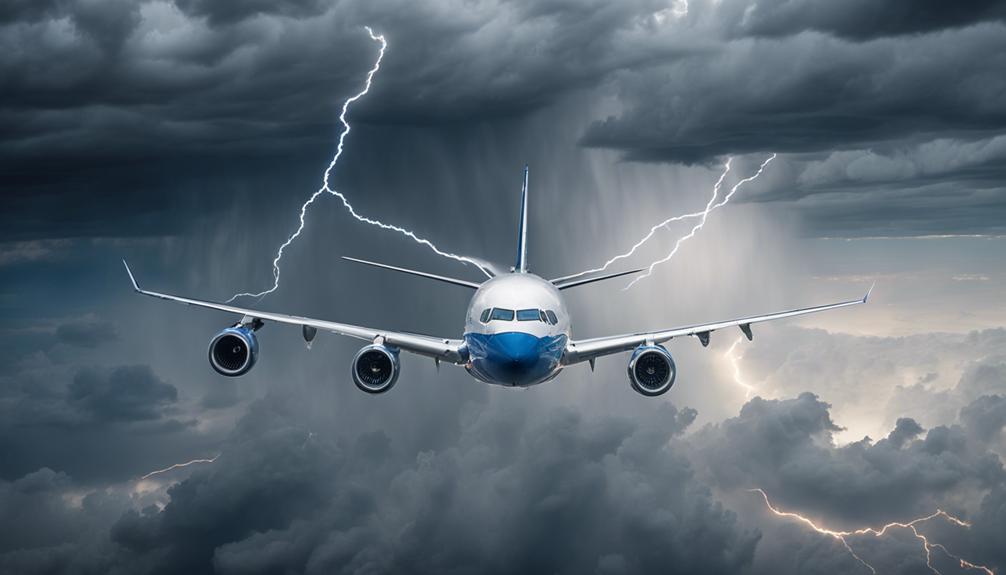
Turbulence is a complex phenomenon caused by air pockets, wind shear, and thunderstorms, leading to unpredictable consequences for aircraft and passengers. Pilots use specialized training, onboard instruments, and weather reports to navigate turbulence effectively. Advanced avionics and aircraft design also play an essential role in mitigating risks. By developing an intimate understanding of the skies, pilots can anticipate and react to turbulence. It's a delicate dance between physics and pilot strategy – and understanding the intricacies of turbulence is key to safe and efficient flight. As they soar through the skies, pilots must stay one step ahead of the unpredictable forces of nature.
Turbulence Explained: Air Pockets and Wind
Air pockets, regions of low air pressure, and wind shear, sudden changes in wind direction or speed, are the primary culprits behind turbulence. These phenomena can arise from a combination of atmospheric conditions, aircraft maneuvers, and even the plane's own wake. When an aircraft flies through an air pocket, the sudden loss of lift can cause the plane to drop unexpectedly, leading to a bumpy ride. Similarly, wind shear can catch pilots off guard, making it challenging to maintain a steady course.
Pilots are trained to anticipate and respond to these hazards, but even with their expertise, turbulence can be unpredictable. That's why understanding the physics behind turbulence is essential for developing effective strategies to navigate through it. By recognizing the warning signs of turbulence, such as changes in wind patterns or air pressure, pilots can take proactive measures to minimize its impact.
In particular, pilots can adjust their flight trajectory to avoid areas of turbulence, or alter their altitude to find smoother air. They can also use onboard instruments to detect turbulence and adjust their flying accordingly. By combining their knowledge of turbulence with their flying skills, pilots can guarantee a safer and more comfortable journey for their passengers.
The Chaos Theory of Airborne Storms
Severe thunderstorms, characterized by towering cumulonimbus clouds, can spawn chaotic turbulence that even the most experienced pilots struggle to navigate. The chaos theory of airborne storms attempts to explain the unpredictable nature of these turbulent systems. Essentially, small changes in atmospheric conditions can lead to drastically different outcomes, making it challenging to predict the behavior of airborne storms.
The butterfly effect, a concept in chaos theory, suggests that the flapping of a butterfly's wings can cause a hurricane on the other side of the world. Similarly, in airborne storms, minor variations in wind speed, direction, or temperature can trigger a cascade of events, resulting in turbulent air pockets or powerful gusts. This inherent unpredictability makes it difficult for pilots to prepare for the unexpected, even with advanced weather forecasting tools.
To better understand and navigate these complex systems, pilots must be aware of the underlying physics driving the turbulence. By recognizing the signs of an approaching storm, such as changes in cloud formations or wind patterns, pilots can take proactive measures to minimize the risk of turbulence. However, even with extensive training and experience, pilots must remain vigilant and adapt quickly to the ever-changing conditions of airborne storms. By acknowledging the chaotic nature of these storms, pilots can develop strategies to mitigate the risks and ensure a safe flight.
Pilot Training for Turbulent Conditions
Pilots preparing to navigate turbulent skies need specialized training to stay ahead of the storm. They learn to recognize the warning signs of turbulence, developing a keen sense of situational awareness that helps them anticipate and respond to chaotic air pockets. Through advanced flight simulation training, pilots hone their skills, building the confidence and reflexes necessary to keep their aircraft stable in the most unstable conditions.
Turbulence Recognition Techniques
Turbulence recognition techniques play a crucial role in pilot training, as they enable pilots to anticipate and respond to turbulent conditions effectively. These techniques empower pilots to identify precursors to turbulence, allowing them to take proactive measures to guarantee the safety of passengers and crew. One key technique involves recognizing visual cues, such as cumulonimbus clouds or towering cumulus, which can indicate turbulent air ahead. Pilots are also trained to recognize changes in aircraft performance, such as sudden drops in airspeed or altitude, which can signal the onset of turbulence.
In addition, pilots learn to analyze weather reports and forecasts to anticipate areas of turbulence. They're taught to recognize patterns in wind shear, temperature gradients, and other meteorological factors that can contribute to turbulence. By combining these skills, pilots can develop a keen sense of situational awareness, allowing them to make informed decisions quickly and confidently. By mastering turbulence recognition techniques, pilots can reduce the risk of turbulence-related incidents and ensure a smoother, safer flight experience for everyone on board.
Flight Simulation Training
By honing their skills in simulated turbulent environments, pilots can refine their decision-making and reaction times, enabling them to respond more effectively to real-world turbulent conditions. Flight simulation training provides a safe and controlled space for pilots to practice maneuvering through turbulence, allowing them to develop muscle memory and instinctive reactions. This type of training is particularly valuable for pilots who may not have encountered severe turbulence in real-world flights.
| Simulation Scenario | Training Objective |
|---|---|
| Clear Air Turbulence | Recognize and respond to sudden turbulence without visual cues |
| Thunderstorm Encounter | Practice evasive maneuvers and altitude adjustments |
| Mountain Wave Turbulence | Develop strategies for handling turbulent airflow |
| Wake Turbulence | Learn to anticipate and react to turbulent wakes |
Through simulation training, pilots can develop the skills and confidence needed to handle turbulent conditions with precision and control. By repeating scenarios and practicing different responses, pilots can fine-tune their skills and make better decisions in high-pressure situations. With simulation training, pilots can take control of their responses to turbulence, ensuring a safer and more efficient flight experience.
Aircraft Design and Safety Features
Modern commercial aircraft are engineered with multiple safety features, including reinforced structures and advanced avionics, to mitigate the risks associated with turbulence. These design elements are essential in minimizing the impact of turbulence on passengers and crew. For instance, aircraft frames are constructed with strong, lightweight materials that can absorb and distribute the forces generated by turbulent air. Additionally, advanced avionics systems, such as autopilot and fly-by-wire systems, help stabilize the aircraft and reduce the workload of pilots during turbulent conditions.
Furthermore, safety features like redundant systems, multiple engines, and emergency oxygen systems provide an added layer of protection in the event of turbulence-related emergencies. Aircraft are also designed with turbulence-resistant wings, which can withstand extreme stress and strain. The wings' flexibility allows them to absorb turbulence-induced shocks, reducing the risk of structural failure.
Cockpit design also plays a critical role in mitigating the effects of turbulence. Pilots are seated in shock-absorbing seats, and the cockpit is equipped with turbulence-resistant instruments and displays. Additionally, advanced weather radar systems enable pilots to detect and navigate around turbulent areas. By integrating these safety features, aircraft manufacturers have greatly reduced the risks associated with turbulence, providing a safer flying experience for passengers and crew. Moreover, an aircraft instrumentation overview provides pilots with real-time data regarding flight conditions, including altitude, airspeed, and the presence of turbulence. This comprehensive information allows for immediate adjustments to flight paths, ensuring smoother journeys. As technology continues to advance, enhancements in cockpit design and instrumentation promise to further improve turbulence management and overall flight safety.
Reading the Skies: Pilot Intuition
Pilots develop an intimate understanding of the skies through years of experience, honing their ability to interpret subtle signs in the atmosphere that signal impending turbulence. This intuition is vital in maneuvering through turbulent skies, enabling pilots to make quick decisions that guarantee the safety of passengers and crew. By recognizing patterns in cloud formations, wind direction, and temperature fluctuations, pilots can anticipate turbulence and take evasive action.
Experienced pilots can spot telltale signs of turbulence, such as towering cumulus clouds or wispy cirrus clouds that indicate wind shear. They can sense changes in air pressure and temperature, which can suggest the presence of turbulence. This intuition is not just based on visual cues; pilots also rely on their sense of touch, feeling the subtle vibrations of the aircraft as it responds to turbulent air.
Real-Time Data for Turbulence Avoidance
Advanced turbulence detection systems onboard the aircraft provide real-time data, enabling pilots to anticipate and react to turbulent conditions more effectively. This real-time data is critical in helping pilots maneuver through turbulent skies, as it allows them to make informed decisions quickly. With advanced sensors and algorithms, these systems can detect turbulence patterns, wind shear, and other hazardous conditions, providing pilots with a clear picture of the skies ahead.
By having access to real-time data, pilots can adjust their flight plans accordingly, taking evasive action to avoid turbulent areas or adjusting altitude and speed to minimize the impact of turbulence. This proactive approach enables pilots to maintain control of the aircraft, even in the most challenging conditions. Additionally, real-time data enables pilots to optimize their flight trajectories, reducing fuel consumption and minimizing the risk of turbulence-related incidents.
The accuracy and reliability of real-time data have greatly improved pilot decision-making, allowing them to respond quickly to changing weather conditions. With real-time data, pilots can stay one step ahead of turbulence, ensuring the safety of passengers and crew. By leveraging advanced turbulence detection systems, pilots can take control of the skies, maneuvering through even the most turbulent conditions with confidence.
Mitigating Risk in Unpredictable Skies
As turbulence can strike at any moment, air carriers and pilots rely on a combination of experience, instinct, and cutting-edge technology to mitigate risk in unpredictable skies. This multi-faceted approach enables them to anticipate and respond to turbulent conditions, ensuring the safety of passengers and crew. By leveraging advanced weather radar systems, pilots can detect turbulent areas and adjust their flight plans accordingly. Additionally, they employ real-time data analytics to monitor weather patterns and turbulence forecasts, allowing them to make informed decisions in the cockpit.
To reduce risk even more, pilots undergo rigorous training to develop the skills necessary to navigate turbulent skies. This training includes simulated turbulence scenarios, which help pilots hone their instincts and reaction times. Moreover, airlines implement robust safety protocols, such as regular aircraft maintenance and crew resource management, to reduce the likelihood of accidents.
In the face of unpredictability, pilots and air carriers must remain vigilant and proactive. By combining human expertise with technological advancements, they can minimize the risks associated with turbulence. As the aviation industry continues to evolve, the development of new technologies and strategies will play a critical role in mitigating risk and ensuring the safety of air travel.
Frequently Asked Questions
Can Turbulence Cause an Aircraft to Flip or Spin Out of Control?
She understands that turbulence can be unpredictable, but it's highly unlikely to cause an aircraft to flip or spin out of control. In fact, modern commercial airliners are designed to withstand even severe turbulence. The plane's stability and control systems, coupled with the pilots' expertise, guarantee that the aircraft remains stable and on course, even in the most turbulent conditions.
How Do Pilots Handle Turbulence When Flying at Night or in Bad Weather?
"Flying through frenzied fog or dark skies, pilots prioritize precision, relying on radar and instrument landing systems to navigate turbulent nights. They meticulously monitor altimeters and airspeed indicators, making swift adjustments to avoid treacherous air pockets. By trusting their training and technology, pilots skillfully steer planes through the storm, safeguarding passengers and cargo from the fury of the turbulence."
Are Some Aircraft More Prone to Turbulence Than Others Due to Design?
She notes that some aircraft designs are more susceptible to turbulence due to their unique characteristics. For instance, smaller planes with lighter wings tend to be more affected by turbulence than larger, heavier ones. Additionally, aircraft with higher wing loading, such as business jets, can experience more intense turbulence. Conversely, planes with flexible wings, like the Boeing 787, are designed to absorb turbulence, making them less prone to its effects.
Can Turbulence Cause Anxiety or Trauma in Passengers and Pilots?
Like a stormy sea, turbulence can release a flood of fear in passengers and pilots alike. It's a gut-wrenching experience that can leave even the most seasoned flyers shaken. The intense drops and sharp turns can trigger anxiety and trauma, making it difficult to shake off the feeling of vulnerability. For some, the memory of turbulence can linger long after the flight has landed, making it a intimidating prospect to take to the skies again.
Are There Any Turbulence Forecasting Tools Available to the General Public?
She can access turbulence forecasting tools online, providing her with an added layer of control. Websites like Turbulence Forecast and FlightRadar24 offer real-time turbulence forecasts, allowing her to plan ahead. Additionally, some airlines provide turbulence forecasts on their websites or mobile apps. By staying informed, she can better prepare herself for any turbulence, reducing anxiety and increasing her sense of control.
